Be a BirdClose VIP: Get 24-hour early access to our Black Friday event!

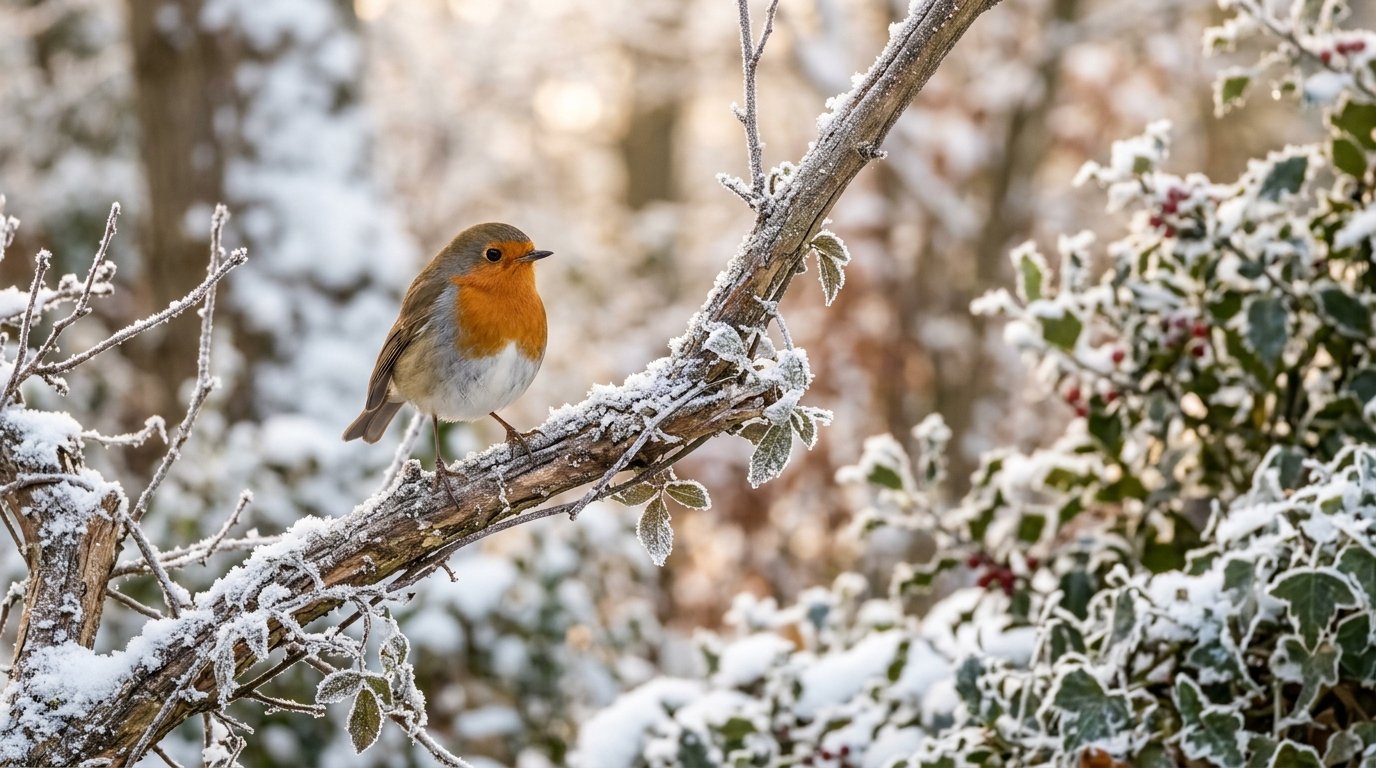
Shifting Our Feeding Habits: How to Help Garden Birds Survive the Cold Season

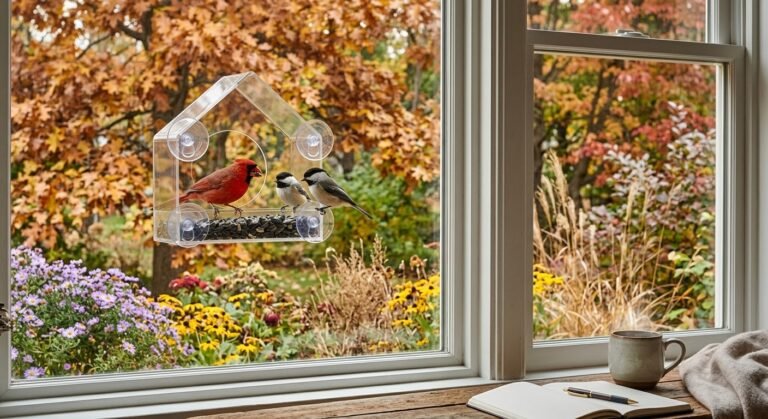
There is a quiet, restorative magic to autumn and winter mornings. Sitting down by the window with a warm mug of coffee, watching colorful visitors flutter around the garden, is one of the simplest and most grounding ways to start the day. It offers a gentle, peaceful reminder to slow down, disconnect from the rushing digital world, and tune in to the vibrant wild life thriving just on the other side of the glass. Yet, as temperatures plummet and the landscape hardens with frost, our local songbirds face an uphill battle for survival, making our role as backyard caregivers more critical than ever.
However, recent scientific insights and long-term citizen science monitoring—such as research from the British Trust for Ornithology (BTO) and comprehensive reviews by conservation authorities like the RSPB—reveal a vital message: how and when we feed our garden birds can mean the difference between life and death. In the past, conventional wisdom suggested keeping feeders stocked non-stop all year round. Today, modern conservation science urges a much more thoughtful, science-backed approach to seasonal feeding, anchored by a crucial turning point: November 1st.
The Science Behind the Shift: Why Seasonal Feeding Matters
For decades, wildlife lovers assumed that continuous, year-round provisioning was an unmitigated good. However, long-term monitoring data from projects like the BTO’s Garden BirdWatch and scientific conservation assessments have painted a worrying picture. Certain specialized species, particularly finches such as greenfinches and chaffinches, have experienced staggering population drops—with some populations declining by up to 65% since the 1990s.
Ornithological researchers identified a primary driver behind this decline: an emergent and deadly disease known as trichomonosis (often referred to as greenfinch disease). Caused by a microscopic parasite (Trichomonas gallinae), the infection targets the upper digestive tract of birds, causing severe lesions that make swallowing difficult or impossible. Expert analysis on wild bird health and seasonal timing—such as the guide on when to start feeding birds on GoToBirding—highlights why adjusting our feeding schedule is essential for protecting local flocks.
- The Summer Danger Zone: Research shows that disease transmission peaks during the warmer summer and autumn months. When birds congregate in high densities around traditional, crowded garden feeders or flat bird tables, the parasite spreads rapidly through contaminated food and water sources.
- The Seasonal Break: To help break this deadly chain of infection, modern conservation guidelines strongly advocate for a seasonal pause. By temporarily stopping the provision of seeds and peanuts—the preferred diet of finches—from May 1st to October 31st, the risk of disease transmission drops significantly.
- The Winter Green Light: By November 1st, natural insect supplies have drastically diminished, frosts have set in, and the colder weather significantly reduces the survival rate of the parasite in the environment. This marks the optimal window to safely re-introduce high-energy seeds and peanuts to help birds survive freezing winter nights.
What to Put on the Menu: Powering Through the Freeze
Winter is an intense energetic bottleneck for small garden birds like tits, robins, and finches. Maintaining a high core body temperature when sub-zero temperatures strike requires an immense caloric intake, meaning the foods we offer must pack a powerful nutritional punch.
- Hulled Sunflower Seeds & Niger Seeds: Packed with natural oils and concentrated energy, these seeds are quickly digested and leave behind minimal waste or mess.
- Safe Peanuts: Always ensure peanuts are certified free of aflatoxins, unsalted, and unroasted. They must be fed from secure mesh or wire feeders to prevent smaller birds from choking on large, whole fragments.
- Suet Cakes & Fat Balls: Invaluable high-calorie powerhouses that insect-eating birds like tits, nuthatches, and woodpeckers heavily rely on to survive frosty mornings.
- What to Avoid: Never offer salted snacks, processed bread (which offers empty calories, fills their stomachs, and molds rapidly), or seasoned kitchen scraps containing chemical additives and spices.
Choosing the Right Feeders: Why Window Feeders Change Everything
When setting up your backyard for the winter feeding season, the style of feeder you choose plays a massive role in both bird safety and your personal enjoyment. While traditional hanging tube feeders and suet cages are garden staples, modern birding has embraced an innovative alternative: window-mounted feeders.
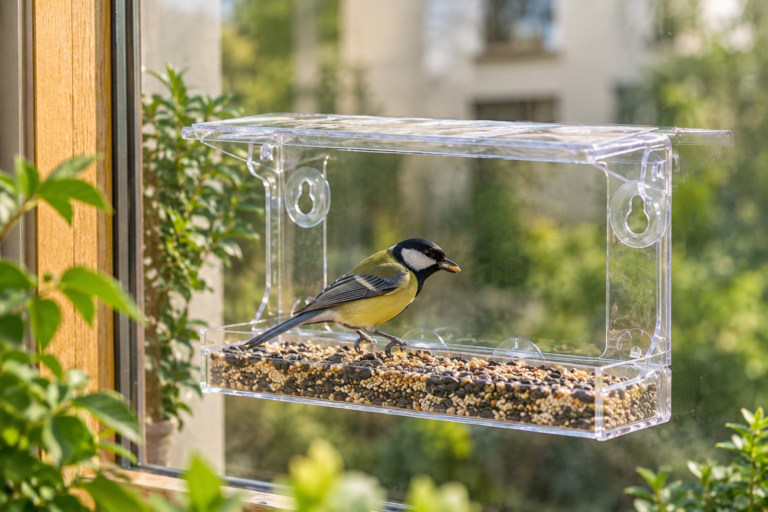
Exploring specialized collections such as the BirdClose window bird feeders reveals why attaching your feeding station directly to the glass has become a favorite among modern nature enthusiasts:
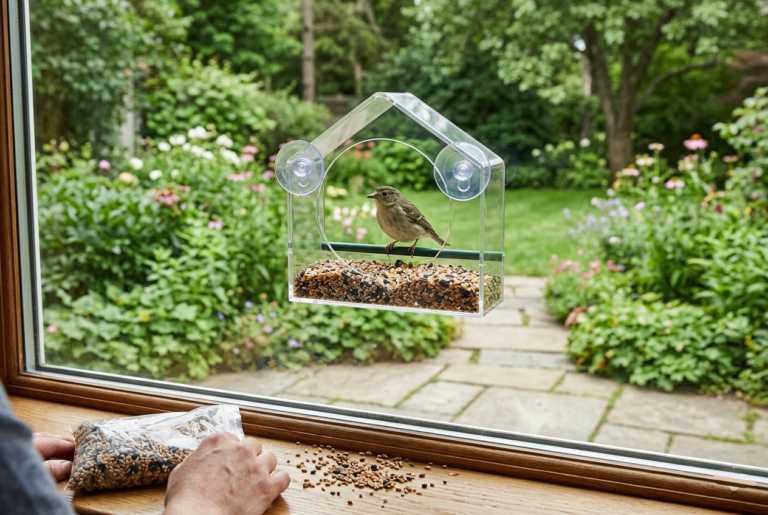
- Unobstructed, Up-Close Observation: Window feeders mount directly onto your glass using heavy-duty, weather-tested suction cups. This places the feeding action mere centimeters away from your living room, allowing you to study avian behavior, feather details, and species interactions in crystal-clear focus without ever stepping out into the cold.
- Superior Hygiene and Easy Disinfection: Because premium window feeders are crafted from transparent, high-grade acrylic, they are exceptionally easy to detach, wash with warm soapy water, and disinfect weekly—a vital step in preventing the spread of diseases like trichomonosis.
- Natural Defense Against Predators: Traditional ground feeders can leave distracted or ground-foraging birds vulnerable to neighborhood cats. Window-mounted designs elevate birds to a safe vantage point where they can quickly spot potential threats and dart instantly to safety.
- The Ultimate Screen-Free Connection: For families, children, and anyone looking to unwind, watching wild birds feed right outside the glass turns an ordinary morning routine into a peaceful, mindful experience. It brings the wild heart of nature straight into your daily life.
Backyard Best Practices: Hygiene and Safety
Feeding birds responsibly goes hand-in-hand with maintaining a pristine dining environment. Even the highest-quality seed is useless if the feeding station becomes a breeding ground for pathogens.
- Rigorous Weekly Cleaning: Scrub all feeding surfaces at least once a week using warm, soapy water or a pet-safe disinfectant. Whether you use traditional hanging setups or clear acrylic setups like the BirdClose window bird feeders—which allow you to observe avian behavior up close without startling them—keeping surfaces clean and dry is the single best way to prevent disease.
- Fresh, Unfrozen Water Stations: Birds need clean water for drinking and preening even in freezing weather. Swap out iced-over water dishes daily with fresh tap water, ensuring a reliable hydration source when natural puddles freeze solid.
- Smart Placement and Predator Defense: Place feeding spots near dense bushes or trees so birds have immediate cover if a neighborhood cat or avian predator passes by, while ensuring feeders are far enough from thickets to prevent stealthy ambush. For broader advice on setting up wild spaces and gear, exploring resource hubs like GoToBirding’s wildlife conservation guides provides valuable inspiration.
Final Thoughts
Stepping out onto the porch on a crisp winter morning to top up a feeder isn’t just an outdoor chore—it’s a small, meaningful act of care that brings profound joy. By aligning our routines with modern conservation science, practicing meticulous hygiene, and creating safe, welcoming feeding spots right outside our windows, we give these resilient little creatures a fighting chance through the harshest months of the year.
Next time you’re sitting by the window with your morning brew, take a moment to watch them thrive. It’s a wonderful, grounding reminder that even the simplest efforts in our own backyards can help protect and cherish the wild world we love so dearly.
How are you preparing your backyard for winter visitors? What bird species have you spotted around your home lately? Share your stories and morning sightings in the comments below!